

Agatha Christie | Queen of Crime
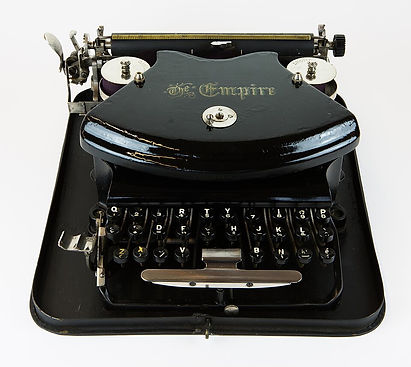
Few figures in history turned a simple idea into a global empire quite like Agatha Christie. With nothing more than a typewriter, an extraordinary mind for puzzles, and relentless discipline, she became the best-selling fiction author of all time—selling over two billion books in more than 100 languages.
Christie didn’t lead through charisma or public spectacle. She led through craft, consistency, and an almost surgical understanding of human nature. Her stories didn’t just entertain the world; they revealed timeless truths about leadership: the power of observation, the courage to face complexity, and the quiet determination to keep creating even when life became uncertain.
This story explores how one of the 20th century’s greatest storytellers also became one of its most enduring models of personal and creative leadership.
Agatha Christie (1890–1976) revolutionized the mystery genre
and built one of the most successful literary careers in history.
She authored 66 detective novels, 14 short story collections,
and the world’s longest-running play, The Mousetrap.
Her iconic detectives — the precise Hercule Poirot and the deceptively sharp Miss Marple — became cultural institutions.
Yet behind the fame was a remarkably private woman who faced significant personal challenges, including a highly publicized disappearance in 1926 and two difficult marriages.
Through it all, Christie maintained extraordinary output and commercial success. She treated writing as both an art and a profession, carefully managing her brand, negotiating with publishers, and protecting her intellectual property long before such practices were common. Her ability to turn personal observation and disciplined routine into timeless work offers powerful lessons for leaders in any field.
Agatha Christie’s life and work offer several profound leadership lessons:
